
Latest articles
Featured
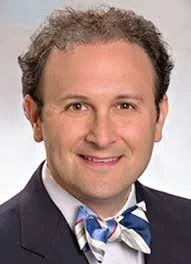






A Q&A interview with Dr. Aaron Kesselheim exploring how his work at the intersection of medicine, law, and health policy shapes prescription drug regulation, pricing, and public health—especially amid recent federal actions affecting the FDA, NIH, and health equity.
HUHPR writer Olaeze Okoro conducted an interview with Dr. Nicole Maestas, PhD. Dr. Nicole Maestas is a leading economist specializing in health care policy, labor markets, disability insurance, and population aging.
HUHPR writer Anaïs Pité sat down with Dr. Elysia Larson, ScD, an implementation scientist, maternal health researcher, and advocate for person-centered care. Dr. Larson is a Staff Scientist in the Department of Obstetrics and Gynecology at Beth Israel Deaconess Medical Center and an Assistant Professor at Harvard Medical School.
Dr. Rose Molina is a board-certified Obstetrician-Gynecologist at The Dimock Center and Beth Israel Deaconess Medical Center. Dr. Molina holds a Master of Public Health in Clinical Effectiveness from the Harvard T.H. Chan School of Public Health, and is an Assistant Professor of Obstetrics, Gynecology, and Reproductive Biology at Harvard Medical School, where she is also the Faculty Director of the Medical Language Program and Health Equity Societal Theme. Additionally, Dr. Molina is a member of Ariadne Labs where she works to improve quality and equity in pregnancy care worldwide. As an AHRQ Learning Health Systems K12 scholar, she leads research on language barriers in pregnancy care and improving patient-clinician trust.
Ryan was a remarkable member of our HUHPR community, known for his kindness, advocacy, and passion for important policy issues like environmentalism and human rights.
For many physicians, there is a lack of accessibility to healthy coping mechanisms and opting to ask for help. How can policy through legislation and broader reorganization of societal standards help alleviate physicians’ mental health and burnout?
Black and Brown maternal health disparities are rooted in historical health policies limiting power and reproductive decision-making in the United States. From anti-Black racism in the field of obstetrics and gynecology and policies such as the Sheppard–Towner Act of 1921 in the American South, to xenophobia through the forced sterilization of non-English speaking mothers in the 20th and 21st centuries, there is a clear link between health policy and minoritized maternal health outcomes.